
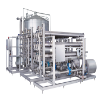

Fermenter
Fermentation processes and products of microorganisms
Time:2023.04.22
The basic process of microbial fermentation
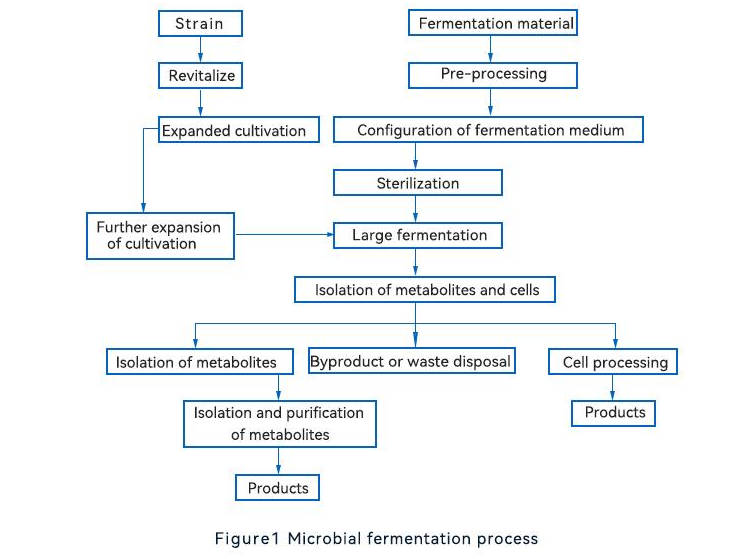
The basic process of microbial fermentation is shown in the following diagram, which mainly includes the following contents.①Preparation of culture medium for culturing strains and expanding production of fermenters.
② Sterilization of culture medium, fermenter and auxiliary equipment.
③ Transfer the cultured active pure strain to the fermenter in a certain amount.
④ Control the growth of the strains inoculated into the fermenter under optimal conditions and form the metabolites.
⑤ The product is extracted and refined to obtain a qualified product.
⑥ Recycle or treat waste and wastewater generated during the fermentation process.
Types of microbial fermentation products
Microbial fermentation can be industrially classified into four main types: bacteriophage as the target product, enzymes produced by microorganisms as the target product, microbial metabolites as the target product, and added chemical substances chemically altered or modified by microorganisms as the target product.
(1) Microbial organisms
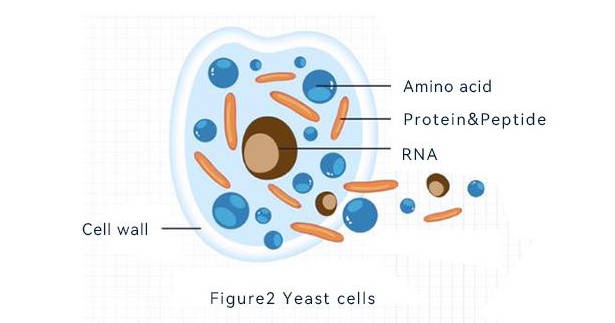
We mainly use bacteriophage cells as fermentation products, including yeast, various single-cell proteins, Bacillus thuringiensis for biological control and various vaccines for human and animal disease control. In addition, useful fermentation products are extracted from bacteriophage cells, such as coenzyme A, ribonucleic acid and other products extracted from yeast cells. Some antibiotics mainly exist in the mycelium, such as ashwagandha produced by ashwagandha in the fermentation process mainly exists in the mycelium, therefore, also to be extracted from the mycelium.
(1) Microbial organisms
We mainly use bacteriophage cells as fermentation products, including yeast, various single-cell proteins, Bacillus thuringiensis for biological control and various vaccines for human and animal disease control. In addition, useful fermentation products are extracted from bacteriophage cells, such as coenzyme A, ribonucleic acid and other products extracted from yeast cells. Some antibiotics mainly exist in the mycelium, such as ashwagandha produced by ashwagandha in the fermentation process mainly exists in the mycelium, therefore, also to be extracted from the mycelium.
(2) Microbial enzymes
Microbial enzymes can be used in fermentation technology for mass production, which is its greatest advantage. They are mainly used in the food and pharmaceutical industries and in industries related to them. The production of enzymes is strictly regulated by microorganisms. In order to increase the production capacity of enzymes, it is necessary to improve these regulatory systems.
Microbial enzymes can be used in fermentation technology for mass production, which is its greatest advantage. They are mainly used in the food and pharmaceutical industries and in industries related to them. The production of enzymes is strictly regulated by microorganisms. In order to increase the production capacity of enzymes, it is necessary to improve these regulatory systems.
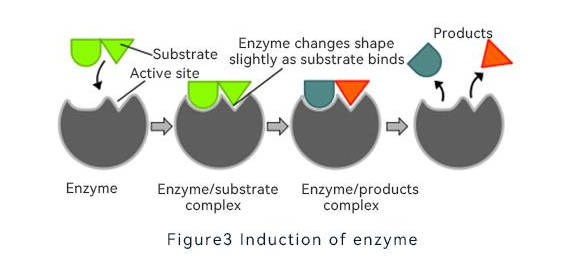
Among these regulatory systems are enzyme induction and enzyme feedback inhibition. Improving the regulatory system by adding induction factors to the culture medium or by mutating the strain can lead to a significant increase in the enzyme production capacity of the organism. Currently, most of the enzymes used in industry come from microbial fermentation.
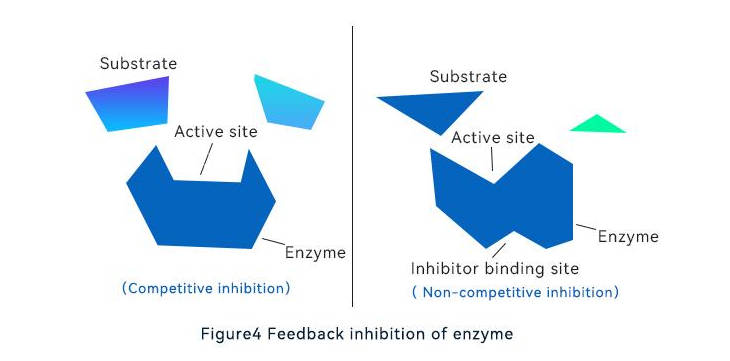
Enzyme preparations in our country are mainly amylase, protease and glycolase, which are mostly used in food and light industries, such as amylase and glycolase produced by microorganisms for starch saccharification. In pharmaceutical production and medical testing, enzymes are also widely used.
(3) Microbial metabolites
The metabolites of microorganisms are divided into primary metabolites and secondary metabolites, including various organic acids, organic solvents, amino acids, nucleotides, antibiotics, polysaccharides, vitamins and steroid hormones, etc., which can be used in various industries.
The growth and development process of microorganisms is divided into lag phase, logarithmic, stable and decline phases. Metabolites such as amino acids, nucleic acids, proteins, lipids and carbohydrates produced during the logarithmic growth phase are essential for the growth and reproduction of the organism. These products are called primary metabolites; many primary metabolites are of considerable economic value and are produced on an industrial scale. Since the primary metabolites in wild strains are only the amount necessary for the growth and reproduction of the bacterium, the metabolic process has feedback regulation, feedback blocking and other effects, can not produce too much. Therefore, the industry in order to make the product can be more effective accumulation, the use of mutagenesis and other methods to make strain mutation to improve or adjust the culture conditions, etc., in order to get more product to work.
(3) Microbial metabolites
The metabolites of microorganisms are divided into primary metabolites and secondary metabolites, including various organic acids, organic solvents, amino acids, nucleotides, antibiotics, polysaccharides, vitamins and steroid hormones, etc., which can be used in various industries.
The growth and development process of microorganisms is divided into lag phase, logarithmic, stable and decline phases. Metabolites such as amino acids, nucleic acids, proteins, lipids and carbohydrates produced during the logarithmic growth phase are essential for the growth and reproduction of the organism. These products are called primary metabolites; many primary metabolites are of considerable economic value and are produced on an industrial scale. Since the primary metabolites in wild strains are only the amount necessary for the growth and reproduction of the bacterium, the metabolic process has feedback regulation, feedback blocking and other effects, can not produce too much. Therefore, the industry in order to make the product can be more effective accumulation, the use of mutagenesis and other methods to make strain mutation to improve or adjust the culture conditions, etc., in order to get more product to work.
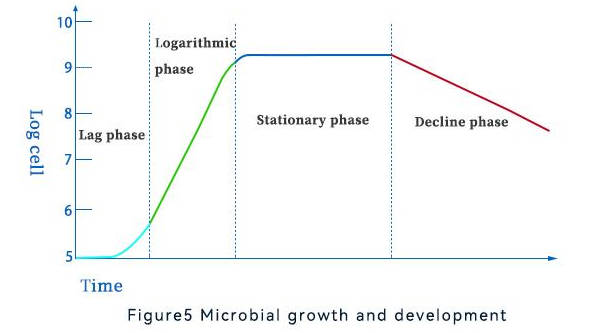
During the stable phase of growth, sometimes some bacteria can synthesize substances that cannot be synthesized during the growth period and are not directly related to the essential metabolism of the bacteria. These substances are called secondary metabolites, such as antibiotics, alkaloids, bacterial toxins, plant growth factors, etc. The period of growth of the bacterium in which secondary metabolites are formed is called the production period, and such secondary metabolites are only easily generated in continuous fermentation when the growth of the bacterium is very slow or even in culture conditions where it is almost considered not to grow. In addition, the growth rate of microorganisms is relatively low in natural environments. It follows that in nature, microorganisms produce more complex and diverse metabolites in the stable phase than in the logarithmic phase.
(4) Microbial transformation
Microorganisms can transform certain compounds into structurally similar but more economically valuable substances by the action of enzymes. This conversion is generally through enzymatic reactions such as glycosidic bonding reactions, hydroxylation, dehydrogenation (dehydration) reactions, esterification reactions, epoxidation reactions, hydrolysis reactions, hydration reactions, isomerization, etc.
(4) Microbial transformation
Microorganisms can transform certain compounds into structurally similar but more economically valuable substances by the action of enzymes. This conversion is generally through enzymatic reactions such as glycosidic bonding reactions, hydroxylation, dehydrogenation (dehydration) reactions, esterification reactions, epoxidation reactions, hydrolysis reactions, hydration reactions, isomerization, etc.
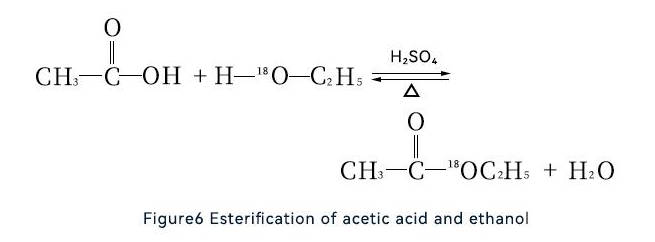
The advantage of these reactions performed by microorganisms over chemical synthesis methods is that they do not use special chemicals, do not use heavy metal catalysts that are prone to contamination, and can be reacted at relatively low temperatures. For example, vinegar, which converts alcohol to acetic acid, is representative of the use of microbial conversion reactions. In recent years, higher value-added chemicals have also been produced through various microbial reactions, such as antibiotics and prostaglandins, which can be produced through microbial chemical conversion and modification methods.
In order to improve the efficiency of the reaction with these conversions of microbial chemistry, a high concentration of bacteriophage in general is necessary. Therefore, it is important to immobilize the bacteriophage or the enzyme isolated from the bacteriophage to ensure the reaction with its high density of biological enzymes.
In order to improve the efficiency of the reaction with these conversions of microbial chemistry, a high concentration of bacteriophage in general is necessary. Therefore, it is important to immobilize the bacteriophage or the enzyme isolated from the bacteriophage to ensure the reaction with its high density of biological enzymes.